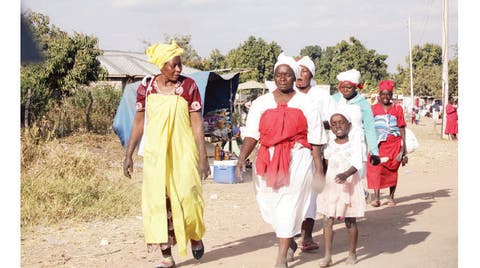


On November 1, 2025, the heart of Harare’s public transport system, Rezende Rank, became a canvas for change as the Dura Organisation and Loud Silence launched the “Safe Commutes” feminist public art and digital campaign. The impactful event was a direct, unified response to the horrific rape of a 13-year-old girl at Rezende Parkade in July 2025, demanding immediate and concrete action from the City Council and the Zimbabwe Republic Police (ZRP) to end the rampant violence, harassment, and pervasive impunity at commuter ranks. The campaign leveraged the visibility of public art, raw personal testimonies, and digital storytelling to shine a harsh light on how transport hubs have devolved into perilous spaces.
Commutes as a Mental Health and Safety Crisis
According to the organisers, the rape exposed a critical failure: touts and perpetrators operate with little to no accountability, despite women and girls having issued repeated warnings. Rachel Kwainona, Director of Loud Silence, stressed the gravity of the situation: “When a 13-year-old is raped at a rank, it is not just an isolated crime; it is a loud alarm that our systems are failing women and girls, and we refuse to go back to business as usual.” Community members emphasized that the fight for safe commutes transcends mere physical security; it is deeply rooted in mental health. Daily exposure to groping, threats, name-calling, and sexual propositions has worsened stress, anxiety, and trauma for women and girls using public transport. “Every day I budget for transport, but I also budget for insults and fear; I want a rank where I can just be a passenger, not a target,” shared one young commuter. Vendors echoed this sentiment, lamenting their helplessness as they witness abuse daily, often by known touts who boast of connections to authority. The campaign’s strength lay in its centering of feminist leadership, bridging the work of mental health advocates and anti-GBV organisers to show that healing, justice, and safer cities must progress simultaneously.
READ MORE: Grade 7 Girl, 13, Raped In Parked Kombi At Rezende Rank In Harare CBD
Clear Demands for Policing, Infrastructure, and Justice
The “Safe Commutes” campaign generated a clear set of non-negotiable demands addressed to duty bearers, focusing on three key areas: policing, infrastructure, and justice. Firstly, there was a loud call for Permanent, Trained Policing. “We want a permanent ZRP and council presence at Rezende that protects us, not one that only comes to collect money,” was a key demand, urging the ZRP to shift from occasional raids to consistent, GBV-sensitive policing. Secondly, in terms of Infrastructure for Safety, the community called on the Council to immediately install adequate lighting, CCTV, clear signage, and marked ‘safe zones’ for women and children at all ranks. As one participant articulated, “Council must design a city that believes women.” Finally, regarding Survivor-Centred Justice, there was a strong call for rapid investigation, arrest, and prosecution in cases like the July 2025 rape, demanding “fast, survivor-centred justice… not files that disappear.” Rachel Kadau, Co-Director of Dura Organisation, powerfully linked safety to wellbeing, stating, “The journey home should not be a source of trauma… safety is a core part of wellbeing,” and affirmed the groups’ commitment: “We will continue to build alliances, amplify voices and demand that council, ZRP and all duty bearers deliver truly safe commutes for all.”
Sustained Action and Key Recommendations
Participants unanimously warned that a single day of activism cannot overturn a culture where violence against women is normalized in public spaces. The consensus was that continuous campaigning is essential to keep pressure on authorities and prevent the rape of the 13-year-old girl from being reduced to a fleeting headline. “If we stop now, the message is that what happened to that girl was a headline, not a turning point; we must keep showing up until every girl can go home safely,” warned a long-time commuter. The campaign showed that harassment has become normalized to the point where many women have accepted danger as part of commuting. The two organisations and the community vow to sustain their efforts, holding authorities accountable until every woman and girl can travel without the daily burden of fear.
The campaign concluded with seven key recommendations to achieve this goal: Authorities must increase lighting, visibility and safe infrastructure at transport hubs, strengthen police presence and consistent monitoring, and establish clear community reporting mechanisms that women can use safely. Furthermore, it is essential to provide training for vendors, bystanders and operators on intervention and support, expand feminist public art and awareness campaigns to keep conversations alive, create digital safety education to address the link between physical and online abuse, and actively encourage collective responsibility where communities protect women and girls. These actions are vital for making every route home a route without violation
Follow Us on Google News for Immediate Updates
The post Feminist Movements Continue Pressure on Local Government and Community to Avoid Another Incident in Taxi Rank appeared first on iHarare News.