


In the sprawling neighborhoods of Epworth and Hopley, climate change is far from a distant policy debate; it is a physical intruder that dictates the terms of life and death. In these cities, extreme heat and flash flooding are more than just weather reports they represent a direct theft of a woman’s power to decide her own future. When floods surge through these peri-urban settlements, they do not merely wash away dirt roads; they shatter the promise of a safe journey into motherhood. For the women living here, the destruction of the land is a violation felt deep within their own bodies, where the environment itself becomes a barrier to the fundamental right of health and safety.
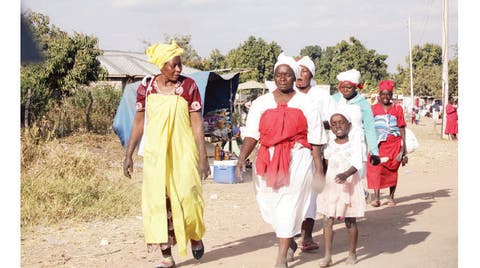
The geography of these neighborhoods creates a unique trap for expectant mothers. Rising waters bring the terrifying threat of losing a pregnancy or giving birth prematurely, while teenage mothers find themselves facing literal walls of mud that block the path to the hospital. This structural failure is compounded by the reality that many women live in poorly constructed tin houses that lack proper insulation, flooring, and waterproofing. Seventeen-year-old Precious, a pregnant teen from Epworth, describes the terror of these moments, noting that when the floods come, she fears for her baby’s life because the water is often too high to even reach the clinic.
The statistics emerging from these flood-prone areas paint a painful picture of systemic neglect. Pregnant women in these communities are 25% less likely to receive the prenatal care they need and 40% more likely to wait until the final moments to seek help because the physical obstacles in their path are so daunting. During a flood, finding emergency care for a newborn can take twice as long as usual. The scarcity of resources like clean water further exacerbates these risks, leading to malnutrition and dehydration. Fifteen-year-old Tadiwa from Hopley shares that the hunger felt during pregnancy is unbearable without enough food, leaving her feeling dizzy and weak while she worries about what she will provide for her baby once it is born.
Beyond the immediate physical dangers, there is a “hidden cost” to this crisis that weighs heavily on the women who hold these communities together. Environmental disasters hit women hardest because they bear the brunt of the exhausting, unpaid work of caregiving. When water pipes crumble, women are the ones who must walk further to find clean sources; when family income is lost to medical bills, women navigate the stress of a crumbling household. This constant fear creates a cycle of psychosocial trauma that cannot be fixed with simple solutions. It requires a complete rebuilding of the system from the ground up, putting maternal safety and bodily autonomy at the very heart of climate action.
Despite these unimaginable challenges, the leadership shown by Zimbabwean women offers a roadmap for justice. Through initiatives like the Purple Door Program, started by the RhoNaFlo Foundation, young mothers are reclaiming their power. Rumbidzai, a 25-year-old mother from Epworth, says that because of this support, she now knows how to care for herself and her child without feeling ashamed. This sisterhood transforms individual survival into collective power. Nyasha, a young mother from Hopley, emphasizes this bond, stating that when the waters rise, the women make sure no sister is left behind.
Ultimately, this movement is raising a new generation of leaders who refuse to be defined by their circumstances. Chipo, a participant from Epworth, explains that they are learning to speak up and demand the care they deserve, refusing to be silenced by doctors or the environment anymore. These communities are not asking for handouts, but for the resources and justice necessary to build a future where their lives are valued. The reality is stark: for every dollar invested in climate resilience in areas like Epworth, lives are saved and a future is built that is actually worth living.
The post Why Zimbabwe’s Climate Crisis is a Battle for Reproductive Justice appeared first on iHarare News.