


Zimbabwe Govt Warns Nationals Against Joining Foreign Militaries
Harare – The Zimbabwean government has issued a stark warning to its citizens, advising them against enlisting in the military forces of other nations amid growing concerns over deceptive recruitment networks luring locals to the frontlines of the Russia-Ukraine war.
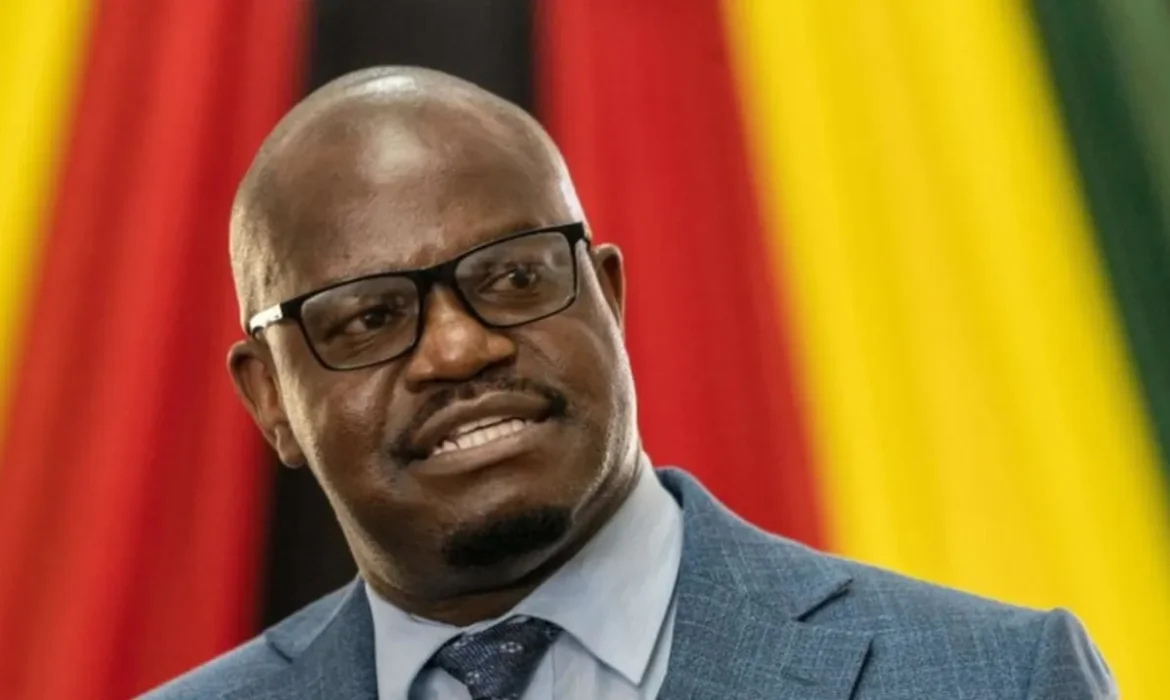
In a strongly worded statement on X on Friday evening, Permanent Secretary for Information, Publicity and Broadcasting Services, Nick Mangwana, conveyed the government’s grave concerns for the safety and well-being of its nationals abroad.
“Govt strongly advises its citizens against enlisting in the military forces of other nations. We are gravely concerned for the safety and well-being of our nationals abroad,” Mangwana said.
“Reports received indicate that in such circumstances, our compatriots may not always receive treatment equal to that of those nations’ service members.”
“Furthermore, in the event of a tragedy, the repatriation of mortal remains is a complex process that can deny families the crucial opportunity for closure.”
“The safety of Zimbabweans and the peace of mind of their loved ones remain our utmost priority.”
The warning follows a detailed investigation by the Centre for Innovation and Technology (CITE), which exposed a sophisticated and expanding network recruiting Zimbabwean civilians—including unemployed men and former Uber drivers in South Africa—to fight for Russia.
Desperate Recruits Lured With False Promises
The investigation reveals a two-pronged recruitment system. Civilians with no military background are often enticed with false promises of civilian jobs or cultural exchange visits to Russia. They are added to WhatsApp groups, issued 30-day visas, and fast-tracked to the front.
“Some of those who have been recruited were mostly Uber drivers recruited in South Africa with no army experience and are trained for seven days then deployed,” a Zimbabwean source currently fighting in the Donbas region told CITE.
Once deployed, the reality is grim. Recruits have their passports confiscated and are made to sign one-year contracts written in Russian, which they cannot read.
“When they reach the front line, they take their passport and only promise to give it back after a year,” the source added.
Those with military backgrounds undergo a slightly more formal process but are still recruited under opaque conditions as quasi-mercenaries. The recruitment networks are now operating actively in Harare and Bulawayo, extending into areas such as Kezi, Esigodini, Plumtree, and Tsholotsho.
“They are desperate and take anyone, they don’t verify whether you know how to shoot a gun,” said one source familiar with the process, adding that “The connection is in Harare.”
Recruits are often put up in hotels in Harare while awaiting flights, with recruiters promising full support. However, the instructions are specific: “not to bring any luggage… Only a small backpack is allowed,” and to “wear only warm, good-looking clothes.”
From Job Promises to a Nightmare on the Frontline
Once in the combat zone, the unprepared recruits face unimaginable danger. Those assigned as “suppliers” must transport provisions, including benzine and bombs, to the front lines on foot to avoid drone-destroyed vehicles.
“We are not soldiers. We were trained how to carry supplies and heavy duty things while climbing mountains. Our job is dangerous because we carry stuff like benzines, bombs, and equipment that is needed in the front on foot. Vehicles don’t move because they will be shot by drones, so it is easier to send suppliers on foot,” a recruit explained.
Training is dangerously inadequate, especially for dealing with the drone warfare that defines this conflict.
“We were taught how to shoot at drones for just one hour before being sent to the front. Unlike our White counterparts who already know how to shoot, we can fire at a drone until we empty an entire magazine and still miss,” said another Zimbabwean fighter.
The financial rewards are also a far cry from the promises. One recruit revealed he was promised R55 000 per month but received only R11 000 in January and R31 000 in February. Desperation is setting in, with some considering self-injury to avoid redeployment.
“I am going to shoot myself in the leg,” one recruit admitted, noting it was better than being killed by drones.
A distraught parent from Plumtree confirmed his son was killed shortly after deployment.
“I blessed my son when we were in Kempton Park and five of them left together. Last week (some weeks ago), we received information that he had died. It seems he and his comrades were killed by a drone.”
The repatriation of his remains is an uncertain and lengthy process. “The process will take months to complete,” the father said after visiting the Russian embassy in Pretoria.
Pleas from those already trapped are desperate.
“We need help urgently to come back home. The way we went to come here was not what we were told,” one group of Zimbabweans in Donbas pleaded. “Our brothers are dying, others are injured… they are losing their limbs and want to return home.”
Flipcash is Your Trusted PayPal & Crypto Exchange Partner in Zimbabwe — WhatsApp +263 77 163 9263
The post Zimbabwe Govt Warns Citizens Against Joining Foreign Armies Amid Russia War Recruitment appeared first on iHarare News.