


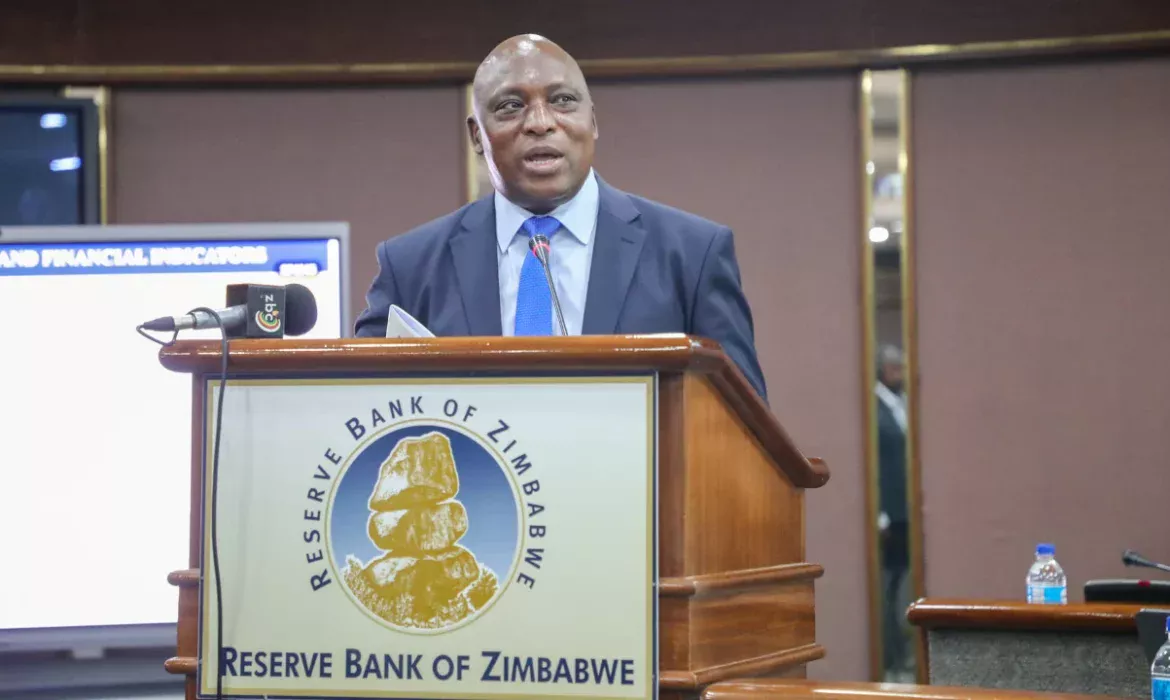
Zimbabwe Central Bank Debt To Loan Shark Laid Bare In Court
Zimbabwe’s central bank, the Reserve Bank of Zimbabwe (RBZ), borrowed millions from a private lender described in court as a loan shark and was repaying US$250,000 (approx. R4.1 million) every week, a High Court ruling has revealed, exposing long-standing financial arrangements and raising fresh questions about the country’s gold trade system.
The revelations emerged in a judgment delivered on 22 April 2026 by High Court judge Joseph Mafusire, who ruled in favour of Al Shams Global in its dispute with the central bank over a frozen account linked to gold transactions.
Long-Running Financial Relationship Exposed
NewzWire reports that the court heard that businessman Jayesh Shah, through his company Al Shams Global, had been lending money to the RBZ for over two decades. The loans were reportedly used for what were described as “urgent national needs”.
Justice Mafusire detailed the scale of the arrangement, stating:
“The applicant has provided funding to the first respondent as and when required for urgent national needs… the first respondent was consistently paying back to the applicant a whopping US$250,000 every week in settlement of a debt in excess of US$53 million.”
According to the judgment, this repayment agreement dates back to December 2022, although the broader financial relationship stretches as far back as 2002.
The case arose after the RBZ froze an account belonging to Fidelity Gold Refinery in July 2025, following deposits of US$12.1 million (approx. R199.7 million) brought into the country by Al Shams for gold purchases.
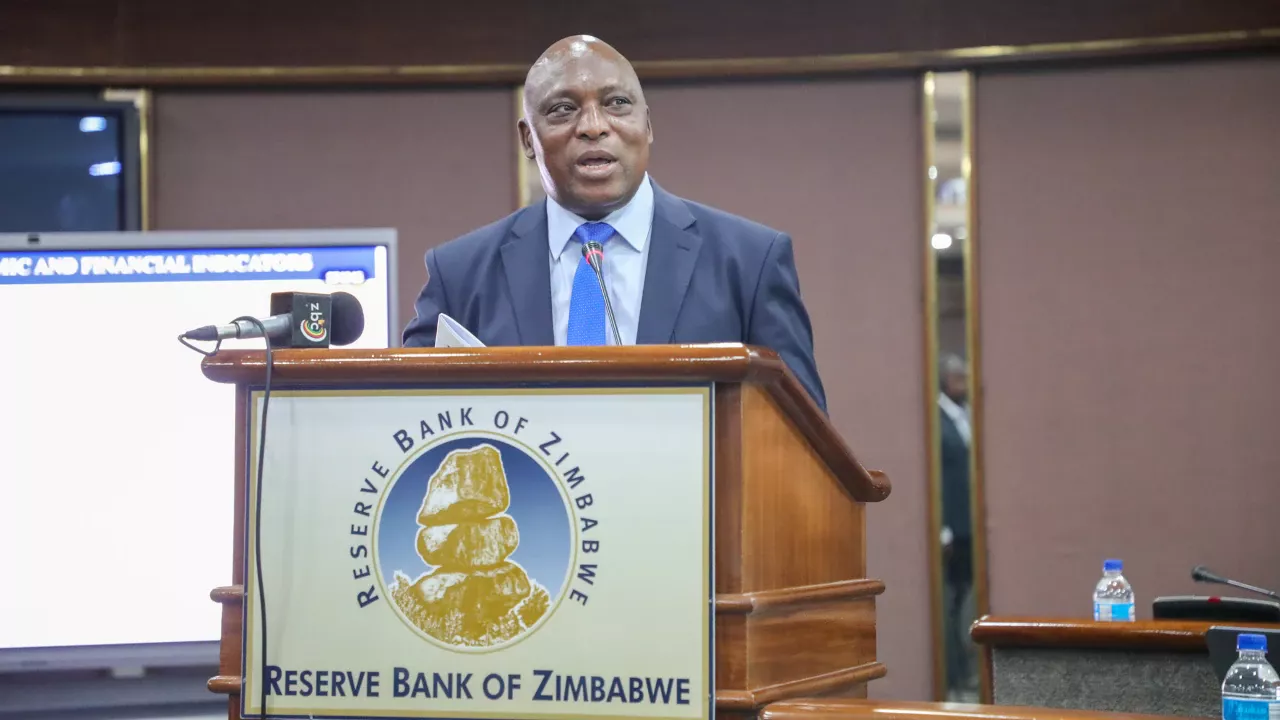
Court Slams RBZ Over Conduct
According to Zimlive, Justice Mafusire was critical of the RBZ’s actions, describing its decision to freeze the account as unjustified and inconsistent with its own knowledge of the parties involved.
He noted:
“The first respondent has from time to time borrowed from the applicant, which has from time to time lent to it, millions of dollars in hard currency.”
The judge questioned why the RBZ demanded proof of the source of funds when it had maintained a long-standing financial relationship with the same entity.
He further stated:
“I find that not only did the RBZ breach the Money Laundering Act… but also that its decision to block the account in question was arbitrary and irrational.”
The court also found procedural flaws in the RBZ’s defence. An affidavit submitted by the central bank governor was dismissed after it emerged it had been signed electronically while he was outside the country, despite being presented as if it had been sworn in Harare.
Gold Trade System Under Scrutiny
The case also shed light on Zimbabwe’s gold trade model. Under a 2024 agreement, Al Shams was required to buy at least 100 kilogrammes of gold weekly from Fidelity, export it to Dubai, and return proceeds in cash.
Justice Mafusire highlighted concerns about this system, stating:
“Zimbabwe is about the only gold-exporting country where a central bank permits gold buyers and sellers to carry cash into the country.”
The funds in question had been declared through the Zimbabwe Revenue Authority (ZIMRA) upon entry, yet the RBZ still raised concerns over US$7 million (approx. R115.5 million) of the deposits.
Al Shams argued that the freeze disrupted its operations and interfered with its contractual obligations.
“The move not only crippled the applicant’s operations, but also induced the second respondent to breach its contract,” the company told the court.
In his closing remarks, Justice Mafusire suggested the dispute could have been resolved without litigation:
“The parties know it: this was a matter not for the courts. It ought to have been settled out of court.”
The court ultimately set aside the RBZ’s decision and ordered it to pay costs.
The post RBZ Borrowed Millions From Loan Shark, Still Paying US$250 000 Weekly – High Court appeared first on iHarare News.