


Social Media Stars Under Pressure As ZIMRA Tightens Tax Net
Zimbabwean content creators are under a ZIMRA tax spotlight after Madam Boss revealed she earns up to US$20,000 (approximately R370,000) in a good month, triggering fresh scrutiny on digital earnings and compliance ahead of a key deadline.
ZIMRA Sets Deadline For Voluntary Disclosure
Content creators earning from platforms such as Facebook and YouTube have been urged to regularise their tax affairs before 30 May 2026, as authorities move to tighten enforcement.
Introducing the voluntary disclosure programme, ZIMRA said:
“Under the programme, taxpayers who make a full and truthful disclosure will have penalties waived in full, although interest on outstanding amounts will still apply.”
The authority added:
“Importantly, such disclosures will not automatically trigger audits or criminal proceedings.”
The window offers relief for those who come forward early. However, it is time-bound. Once it closes, enforcement will escalate.
“After the deadline, anyone caught dodging tax will face the full force of the law, including penalties and possible prosecution.”
The programme applies broadly. It covers individuals and businesses across sectors, including informal traders and transport operators. Crucially, it also targets online earners whose income has often gone undeclared.
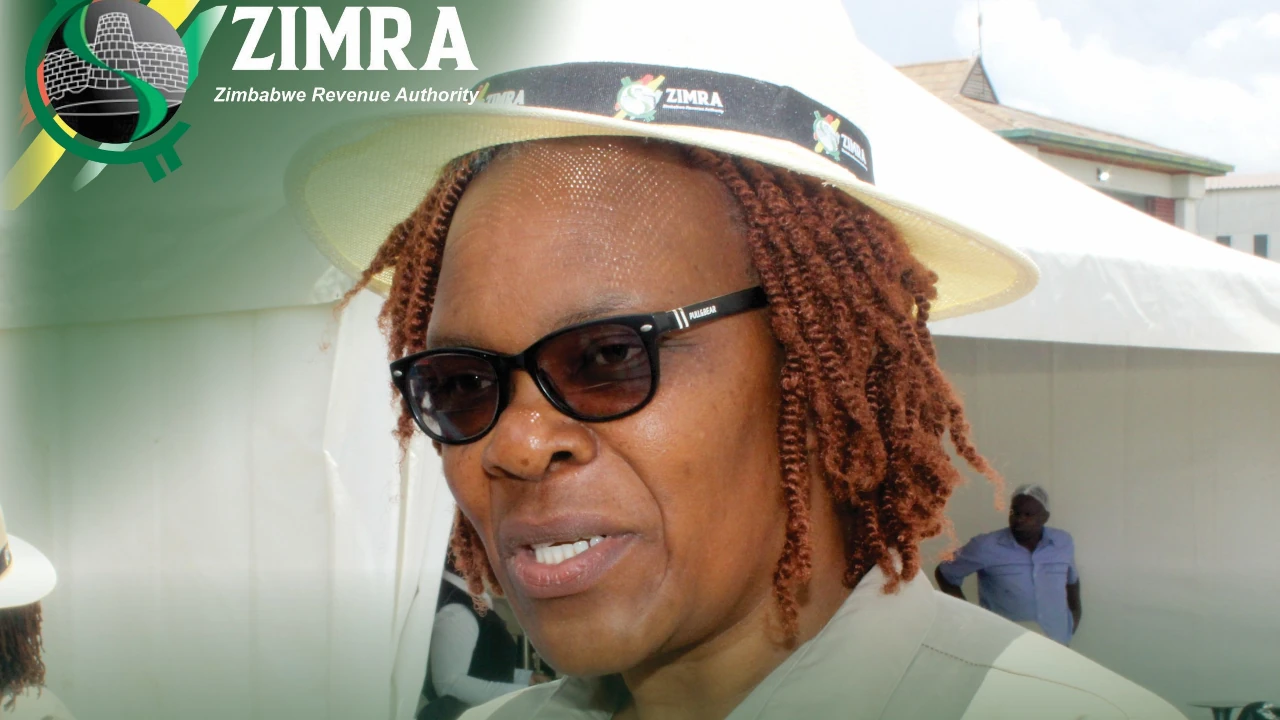
Madam Boss Earnings Spark Industry Attention
The spotlight intensified after Madam Boss publicly disclosed her Facebook earnings. She said she can make more than US$20,000 (approximately R370,000) in a strong month.
That revelation has drawn attention to the scale of money circulating in Zimbabwe’s digital content space.
H-Metro reports that several prominent figures — including Mai TT, DJ Towers, Ritz and Mama Vee — are among those expected to align their earnings with tax requirements.
ZIMRA indicated that income from digital platforms is now a key focus area.
“Income earned from online platforms such as Facebook and YouTube is firmly on our radar.”
Authorities also signalled that visible wealth could trigger checks.
“Cases where individuals possess significant assets or property developments inconsistent with declared income will be examined.”
The message is clear. Digital income is no longer invisible.
New Tax Measures Expand Digital Oversight
The crackdown comes alongside new tax measures introduced earlier this year. The Government confirmed that the Digital Services Withholding Tax (DSWT), introduced under Finance Act No. 7 of 2025, took effect on 1 January 2026.
Finance Minister Professor Mthuli Ncube explained that the tax applies to payments made to non-resident suppliers for services such as streaming, online advertising and e-hailing.
While this tax targets cross-border services, it forms part of a broader push to capture revenue from the digital economy.
For local creators, the requirement is straightforward. Register with ZIMRA. Declare all income. Settle any outstanding tax obligations.
Those who comply within the window may avoid penalties. Those who do not risk financial and legal consequences once the deadline passes.
As digital earnings grow, so too does scrutiny. And with the deadline approaching, the pressure is mounting across Zimbabwe’s influencer space.
The post Zimbabwe Content Creators Under ZIMRA Tax Spotlight After Madam Boss Reveals US$20K Monthly Income appeared first on iHarare News.