


We Are Number Two, Not Number One: Mthuli Ncube Clarifies On Zimbabwe Fuel Prices
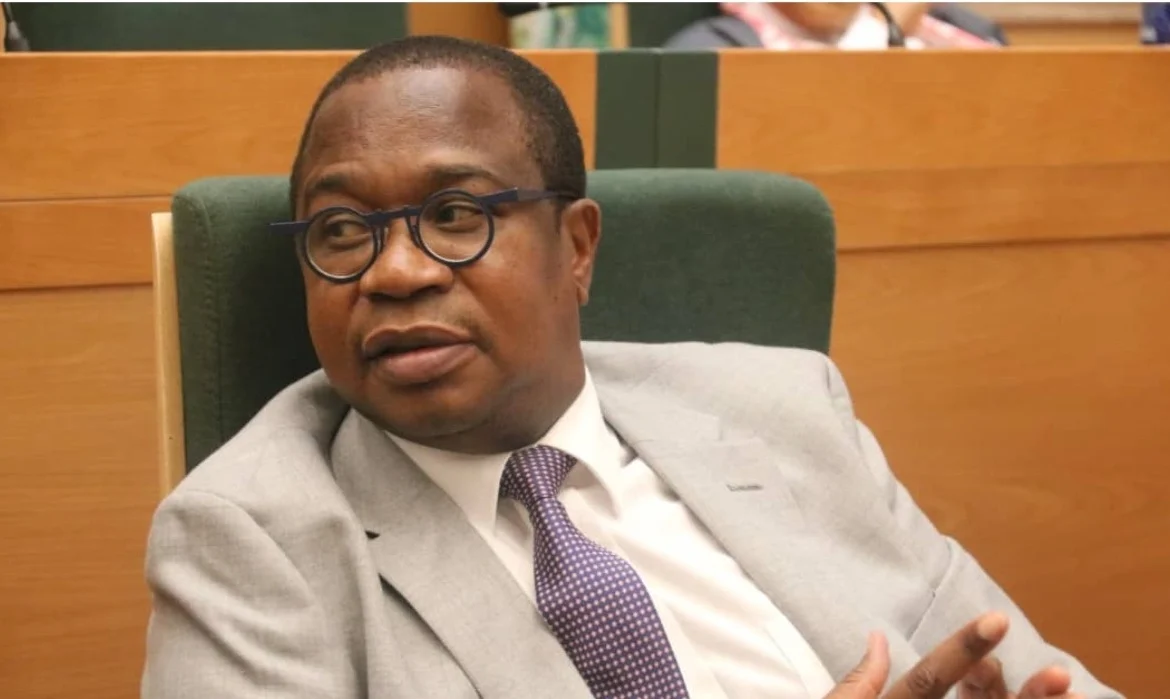
Zimbabwe’s fuel prices are the second highest in the region, not the highest, Finance Minister Mthuli Ncube has said — but his explanation has raised fresh questions about why motorists are still paying significantly more than their regional counterparts.
Speaking at the Connect Africa Symposium in Bulawayo on 4 May 2026, Prof Ncube addressed mounting public concern over high pump prices.
“We are not the highest in the region. We are number two. The highest is Malawi. Our prices are very similar to prices in Kenya,” Prof Ncube said.
His remarks follow recent price adjustments announced on 17 April 2026, which saw petrol fall to US$2.08 (approximately R38.56) per litre and diesel to US$2.09 (approximately R38.75).
But despite the reductions, Zimbabwe remains far more expensive than neighbours such as Zambia and Namibia, where petrol prices are nearly half.
Procurement Costs Raise Questions
While the Minister pointed to structural factors, his own remarks highlighted a deeper issue — Zimbabwe is paying more for fuel even before taxes are added.
“We are paying between 30 and 40 US cents more per litre at the point of entry compared to other countries,” he said.
That admission has shifted attention to procurement systems, with the Minister conceding inefficiencies.
“That’s why when we remove the taxes, you find that our price was still higher than others. So our procurement process should be improved.”
He also cited Zimbabwe’s landlocked position as a cost driver.
“Fuel must come through ports in Mozambique or South Africa and then be transported inland. That adds costs.”
However, critics have long argued that geography alone cannot explain such a wide price gap when neighbouring countries manage to keep costs lower.
Taxes Still A Heavy Burden
Government taxes and levies remain a major contributor to the final price.
“Taxes and levies account for about 54 US cents per litre for diesel,” Prof Ncube said.
Authorities have been adjusting these charges in recent months, including targeted reductions to ease pressure on motorists. But the relief has been modest.
Earlier in April 2026, petrol reached US$2.23 (approximately R41.35) per litre, while diesel hit US$2.11 (approximately R39.15), placing Zimbabwe among the most expensive markets in the region.
Even after the price cuts, the difference remains stark when compared to Zambia’s petrol at about US$1.42 (approximately R26.35) and Namibia’s roughly US$1.20 (approximately R22.89).
Blending Strategy Offers Limited Relief
Authorities attribute part of the April price drop to increased ethanol blending.
Zimbabwe Energy Regulatory Authority (ZERA) confirmed that petrol blending was raised from E5 to E20.
“The price of blend has also been reduced by the significant increase in the blending levels from E5 to E20,” ZERA said.
While this has lowered petrol prices slightly, the impact has not been enough to close the regional gap.
Prof Ncube also pointed to global pressures, including Middle East tensions affecting fuel, fertiliser, and food prices.
“There are four transmission channels — fuel, fertiliser, food and related products,” he said.
Government says it is maintaining fuel reserves and adjusting taxes to stabilise prices, while also promoting the use of the Zimbabwe Gold (ZiG) currency for fuel purchases.
“The acceptance of ZiG for fuel purchases is encouraging,” Prof Ncube said.
Still, the central issue remains unresolved — why Zimbabwe continues to pay more than its peers even before taxes are applied.
The post Zimbabwe Fuel Prices Are Actually Second Highest: Mthuli Ncube Insists appeared first on iHarare News.